Key Takeaways
- Security should match your property, hours, assets and past incidents.
- Static guards provide a regular physical presence at a site.
- Mobile patrols suit sites that need scheduled or random checks.
- CCTV supports visual monitoring but may need a clear response process.
- Warehouses, offices, shops, events and building sites face different risks.
- Combining several services can close gaps that one service may leave open.
- Licensing, training and industry experience matter when deciding how to choose a security company.
Introduction
A warehouse with thousands of dollars in stock does not face the same risks as a city office, retail store or construction site. So why would all four use the same security plan?
That question matters more than ever. The Crime Statistics Agency recorded 473,262 criminal incidents in Victoria in the year ending 31 December 2025, a 4% rise from the previous year. Victoria Police also states that crime prevention is just as important for businesses as it is for individuals.
For business owners, the issue is not simply finding the best security services in Melbourne. You need to know which service fits your site, people, working hours and actual risks.
“
Here’s the thing: more security is not always the answer. The right security in the right place is.
Table of Contents
- What Are the Main Types of Security Services?
- Static Security Guards
- Mobile Patrols
- Event Security
- Warehouse Security
- Office and Corporate Security
- Retail Security
- Construction Site Security
- CCTV Monitoring
- Alarm Response
- Security Service Comparison
- How to Choose the Right Security Service
- How to Choose a Security Company
- Common Business Security Mistakes
- FAQs
What Are the Main Types of Security Services in Melbourne?
Professional security services are organised methods used to help protect people, property, assets and business operations from identified security risks. They may use trained security personnel, physical patrols, surveillance systems or a planned response to an incident.
The main types of security services include static guards, mobile patrols, event security, CCTV monitoring, alarm response and security for specific business settings.
The important terms are risk assessment, access control, security monitoring, incident response, asset protection and visible security presence.
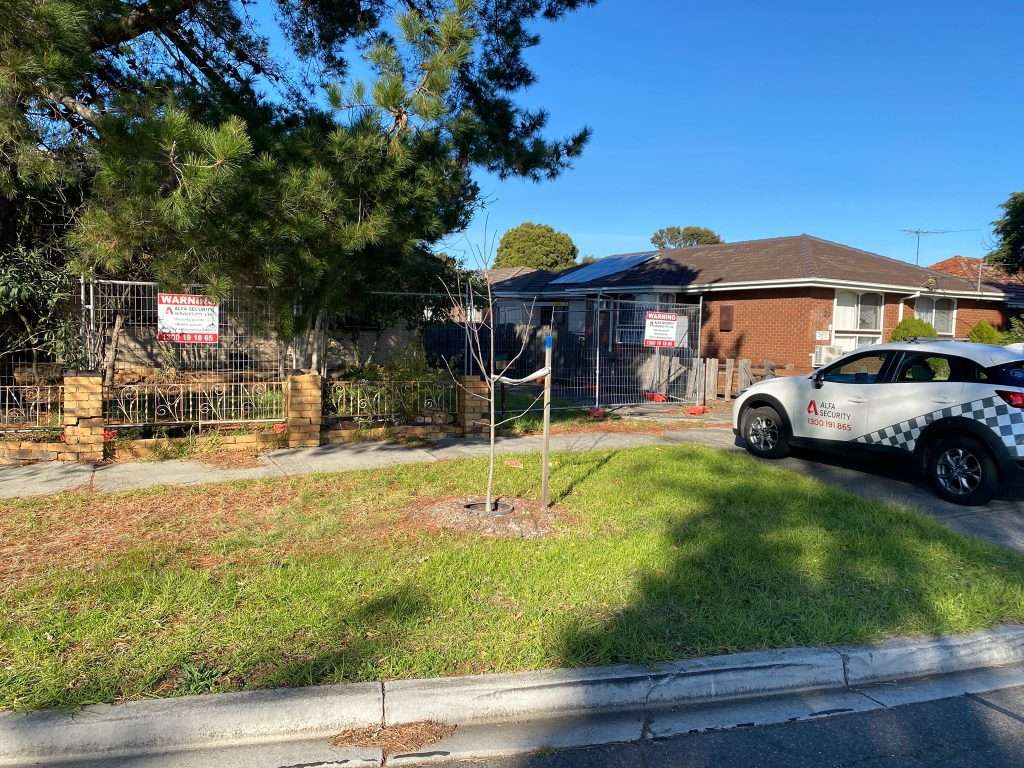
Alfa Security currently lists licensed security guards, 24/7 services, mobile patrols, alarm response and CCTV monitoring among its Melbourne services. Its service coverage also includes corporate, retail, warehouse, event and construction security.
Static Security Guards: When Is an On-Site Guard the Right Choice?
A static security guard is assigned to a property or defined location. Unlike a patrol officer who visits at set or varied times, the guard remains on site for an agreed shift.
What Does a Security Guard Do?
If you have searched what a security guard does, the short answer is this: a guard watches a site, controls access, identifies unusual activity, reports incidents and responds within the procedures set for that property.
Common security guard duties may include:
- Monitoring entrances and exits
- Checking visitors or contractors
- Patrolling defined areas
- Reporting suspicious activity
- Keeping incident records
- Supporting site emergency procedures
- Watching restricted areas
- Responding to security concerns
The exact role changes by site. A guard at an office reception may spend more time on visitor access. A warehouse guard may focus on gates, loading areas and perimeter checks.
When Does a Business Need a Static Guard?
Consider a static guard when your premises have regular public access, expensive stock, restricted zones or a history of unwanted entry.
Take a simple example. A commercial site has 150 staff arriving across two shifts, contractors entering through a side gate and delivery vehicles using a loading area. CCTV can show what happened. A guard can also check who is entering while activity is taking place.
Mobile Patrols: Security Without a Full-Time Guard
Not every property needs someone stationed at the front gate all night. For some businesses, mobile patrols provide a more practical option.
How Do Mobile Patrols Work?
So, how do mobile patrols work?
A security officer travels to the site and inspects the agreed areas. Visits may be scheduled or carried out at varied times. The officer checks access points, looks for signs of damage or unusual activity and records concerns according to the site’s security procedures.
Alfa Security states that its patrol vehicles conduct scheduled and random inspections across Melbourne to detect suspicious activity, check premises and respond to security concerns.
Scheduled or Random Patrols?
Scheduled visits work well when a business needs a known security check, such as after closing.
Random patrols are less predictable. This may be useful where repeated after-hours activity is a concern.
For example, a business park with five separate buildings may not need five permanent guards. Mobile patrols can check gates, doors, car parks and shared areas as part of an agreed patrol plan.
Event Security Starts Before the Crowd Arrives
Event security is not simply placing guards around a venue. Good planning begins with the site, attendance, entry points and areas that require controlled access.
A Practical Event Security Checklist
An event security checklist should consider:
- Expected attendance
- Venue entrances and exits
- Restricted areas
- Crowd movement
- Staff access
- Emergency procedures
- Security positions
- Communication methods
- Incident reporting
- Opening and closing periods
Imagine a Melbourne market with one main entrance, three side access points and a staff-only storage area. Focusing only on the front gate leaves three other areas without the same level of control.
“
The lesson is simple: event security should follow the venue layout and event risks, not a generic guard number.
Warehouse Security: Protect the Gaps Between Daily Operations
Warehouses are busy places. Stock moves. Trucks arrive. Contractors enter. Loading doors open and close.
Those normal activities can also create security gaps.
Warehouse Security Tips That Make Practical Sense
Useful warehouse security tips include:
- Control staff, contractor and visitor access.
- Review loading and dispatch areas.
- Check perimeter gates and doors.
- Improve visibility around access points.
- Keep clear incident records.
- Review CCTV coverage for blind spots.
- Consider after-hours patrols.
- Update security procedures after an incident.
A camera facing the main entrance may do little for an unmonitored rear loading bay. In that case, the problem is not a lack of cameras. It is a poor coverage of the actual risk point.
For a warehouse with high-value inventory, a mix of guards, patrols and CCTV may be more suitable than relying on one measure alone.
Office and Corporate Security Is About Access as Much as Assets
Office security is sometimes treated as a lock-and-key issue. In practice, visitor movement, after-hours work and staff-only areas also need attention.
Office Security Tips for Melbourne Workplaces
Practical Corporate And Office security tips include:
- Set a clear visitor sign-in process.
- Review access to staff-only areas.
- Monitor reception and key entrances.
- Set rules for after-hours entry.
- Keep emergency procedures current.
- Encourage staff to report unusual activity.
- Review security after any access incident.
WorkSafe Victoria defines work-related aggression or violence as incidents where a person is abused, threatened or assaulted in circumstances linked to work. Its guidance tells employers to identify hazards, assess risks and select controls.
What this really means is that security planning should consider people as well as property.
A corporate guard may support reception security, monitor visitors, inspect the property and report incidents while maintaining a professional presence suitable for an office setting.
Retail Security: Theft Prevention Without Ignoring the Customer
Retail sites face a difficult balance. Stores need to reduce theft and respond to incidents, but they also need customers to feel comfortable.
Crime Statistics Agency data published in March 2025 reported a rise in theft-related alleged offender incidents, including an increase in incidents involving theft from retail stores.
Retail Theft Prevention Tips
Practical retail theft prevention tips include:
- Keep clear views across sales areas.
- Review high-risk sections of the store.
- Train staff to report suspicious activity.
- Maintain clear incident records.
- Check the store layout for blind spots.
- Use CCTV where it supports identified risks.
- Consider visible guards during higher-risk periods.
Victoria Police business guidance also recommends considering security, store layout, staff training and procedures when reducing robbery risks.
A camera may record a theft. A trained guard provides a physical presence and can respond according to site procedures. For larger retail settings, these roles can support each other.
Construction Site Security: Tools and Equipment Need an After-Hours Plan
During the day, a building site may have dozens of workers and vehicles moving through it. At 2 am, the same site can be largely empty.
That change in activity creates a clear security issue.
Construction Site Theft Prevention Measures
Effective construction site theft prevention may include:
- Controlling site access
- Recording visitors and contractors
- Securing tools and machinery
- Checking perimeter fencing
- Improving lighting
- Monitoring key areas with CCTV
- Scheduling mobile patrols
- Using static guards where ongoing on-site presence is required
Victoria Police business safety guidance includes specific advice on securing construction sites and preventing theft.
Consider a site entering a new project stage where expensive equipment has just arrived. The security plan used during early ground works may no longer suit the site’s current risk.
“
Security should be reviewed when the site changes, not only after something goes missing.
How Does CCTV Monitoring Work?
CCTV monitoring employs cameras to watch specific areas of a building. Video footage may be recorded to be later reviewed or recorded to detect any activities that could require further attention.
So, how does CCTV monitoring work in a business setting?
Cameras cover selected areas such as entrances, loading bays, car parks or restricted zones. Depending on the service, footage can be watched in real time. When unusual activity is identified, the matter can be handled according to an agreed response process.
Alfa Security states that it provides CCTV monitoring with real-time surveillance and rapid incident response across Melbourne.
Can CCTV Replace a Security Guard?
Not in every case.
CCTV provides visual coverage. A security guard provides a physical presence.
If your main need is monitoring several areas, CCTV may play a major role. If you need visitor checks, access control or an on-site response, a guard may be more suitable.
Many businesses need both.
What Is Alarm Response?
Alarm response is a security service where security personnel attend a property after an alarm activation, inspect the premises and follow agreed incident reporting or escalation procedures.
That is the simple answer to what an alarm response is.
A typical process may involve an alarm activation, alert review, officer dispatch, site inspection and incident reporting.
The service can suit offices, warehouses, retail sites, industrial properties and other premises that are v acant after normal working hours.
“
An alarm tells you that something may have happened. A response plan sets out what happens next.
Which Security Service Fits Your Business?
Here is a quick way to compare the main options:
| Business Need | Security Service to Consider | Why |
| Regular access concerns | Static security guards | On-site presence and access monitoring |
| After-hours property checks | Mobile patrols | Scheduled or random inspections |
| Large event or venue | Event security | Crowd and access management |
| High-value stock | Warehouse security | Focus on inventory and site access |
| Visitor management | Corporate security | Reception and access support |
| Shop theft concerns | Retail security | Visible presence and incident support |
| Tools left on site | Construction security | Site and asset protection |
| Visual site coverage | CCTV monitoring | Observation of selected areas |
| Alarm activations | Alarm response | Property attendance and inspection |
“
Here’s the thing: the best security services in Melbourne may not be one service at all.
A warehouse could use CCTV for visual coverage, mobile patrols after hours and alarm response for activations. A corporate office may need a static guard at reception and cameras at selected access points.
This is often called a layered security approach. Each measure covers a different part of the risk.
How to Choose the Right Security Service for Your Business
Before requesting a service, ask five basic questions.
1. What Happens at Your Property Each Day?
Look at visitor numbers, deliveries, staff shifts and contractor access.
2. When Is the Site Most Exposed?
Is the main concern during business hours, overnight or on weekends?
3. What Are You Protecting?
Stock, tools, machinery, staff, customers and restricted business areas may need different controls.
4. Where Are Your Weak Access Points?
Check rear doors, loading bays, gates, car parks and areas with poor visibility.
5. What Has Already Happened?
Past theft, trespassing, repeated alarms or access issues can show where a security plan needs attention.
A useful security guard guide should always start with the site risk. Buying a service before reviewing the problem is like adding more locks without checking which door is being left open.
How to Choose a Security Company in Melbourne
Knowing how to choose a security company means checking more than a quote.
Check Victorian Security Licensing
Victoria Police states that private security activities are licensed activities. To work in Victoria, a person must hold a current Victorian private security licence or registration, or an applicable Temporary Visitor Permit.
Ask whether the security personnel assigned to your site hold the required authority for their work.
Ask About Industry Experience
Warehouse security is different from event security. Retail guards work in a different setting from construction site officers.
Ask whether the company has experience with properties similar to yours.
Review Reporting and Response Procedures
Find out:
- How are incidents recorded?
- Who receives reports?
- What happens after an alarm?
- How are urgent concerns escalated?
- Is after-hours support available?
Request a Site Risk Review
A site review can help identify weak access points, CCTV gaps, patrol areas and times when the property may be more exposed.
Alfa Security describes its process as an initial consultation, site assessment and risk review, followed by security deployment and ongoing support.
Common Security Mistakes Businesses Still Make
One common mistake is choosing security only based on price. A cheaper service that does not address the main risk can leave the same problem in place.
Another is installing CCTV without deciding who reviews activity or what happens after an incident.
Businesses also overlook after-hours areas. The front entrance may be secure while the rear loading bay, staff car park or side gate receives little attention.
The final mistake? Waiting for a serious incident before reviewing the security plan.
Security needs can change when a business expands, stores more stock, hires more people or changes its operating hours.
Your Security Plan Should Match the Risk, Not the Trend
Finding the best security services in Melbourne starts with a clear look at your business. Where do people enter? What happens after closing? Which assets matter most? Have previous incidents shown a pattern?
Once you know the risk, the service choice becomes clearer.
Static guards provide an on-site presence. Mobile patrols perform property checks. Event security focuses on people and access. CCTV supports visual monitoring. Alarm response provides a process after an activation.
If you are unsure which mix fits your property, speak with Alfa Security about your site, hours and current security concerns. Request a security assessment and build a practical plan around the risks your business actually faces.